Inspiration through material
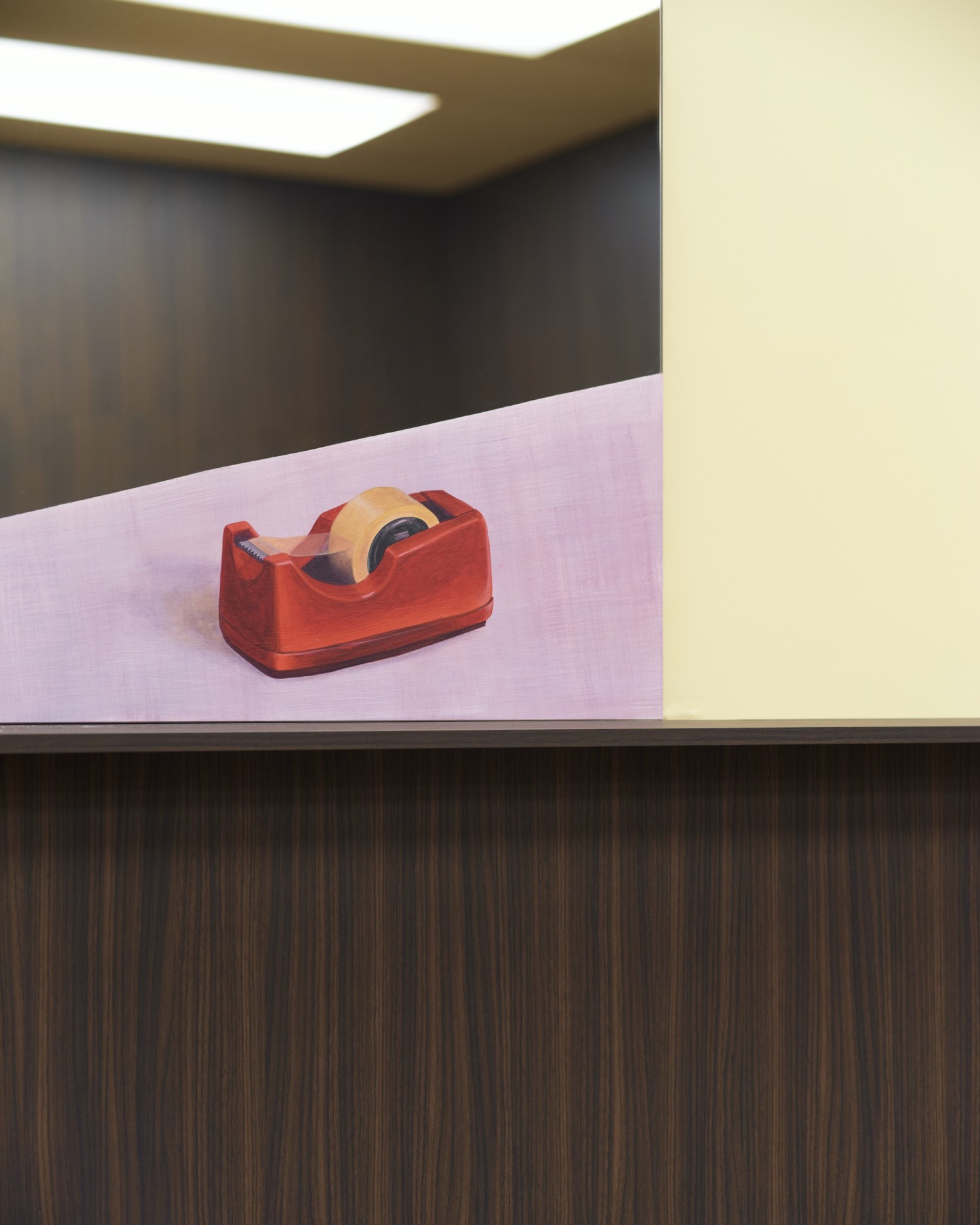
Marni FW26 show space, Formafantasma, Milano, Italy, 2026 • © Marco Cappelletti
On the occasion of the Marni FW26/27 show held in Milan on February 26, Meryll Rogge, the newly appointed creative director of the house, initiated an intuitive dialogue with the design studio Formafantasma for her very first show. The runway scenography, poised between reality and representation, questions the notion of the real in fashion.
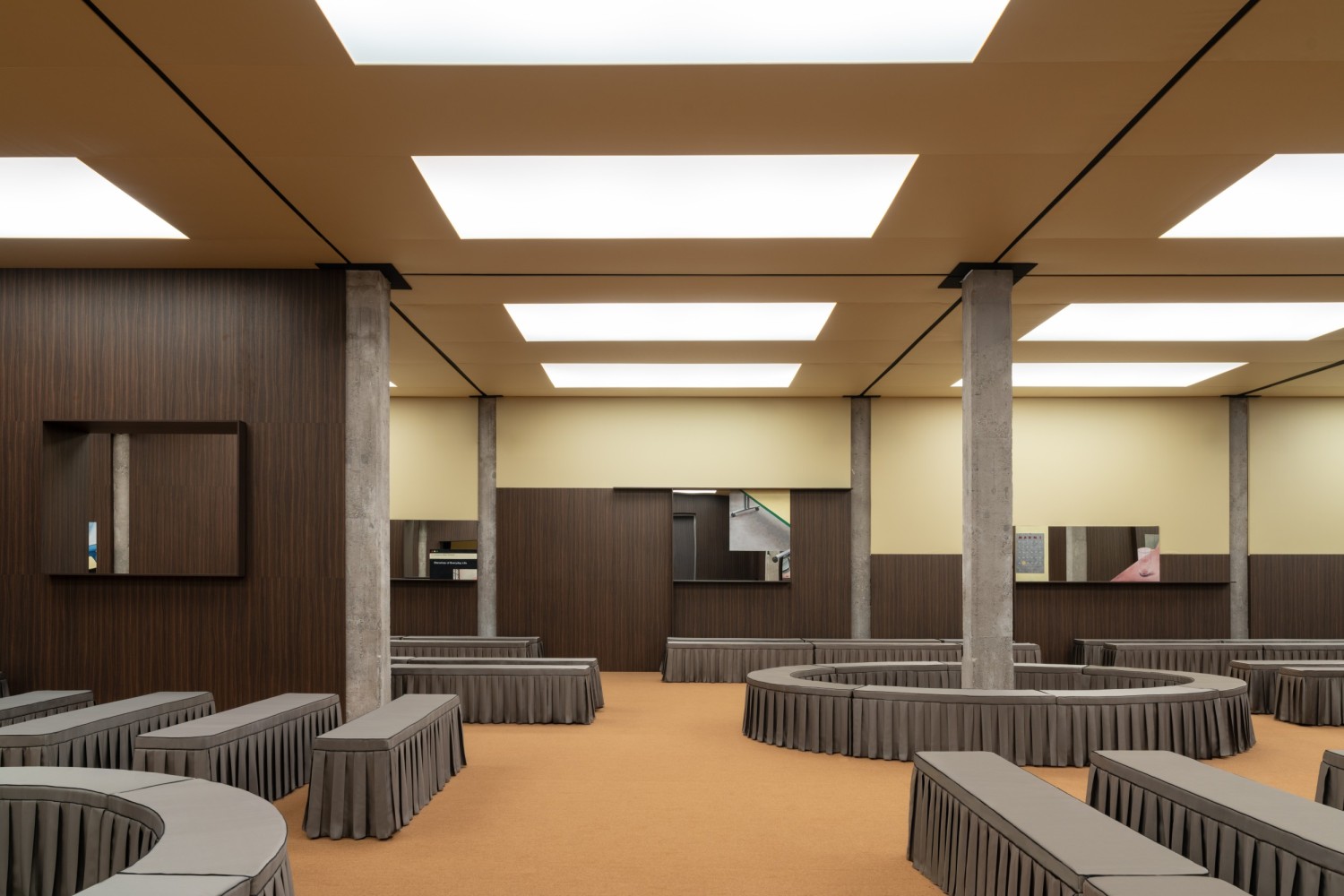
Accustomed to working within exhibition contexts, the creative duo behind the studio, Andrea Trimarchi and Simone Farresin, turned their attention here to how a runway space could be structured and engage in dialogue with the pieces presented. “A fashion show is by nature a construction, a temporary architecture of the gaze defined by choreography, lighting, and controlled viewpoints. The intervention does not aim to conceal this artifice; rather, it acknowledges it, with a scenography conceived as a device through which fashion can be understood as oscillating between lived experience and representation.”
Together, they conceived Viale Umbria 42, Dioramas of Everyday Life, a poetic universe grounded in reality. The project places two realities in tension: the fashion show, constructed and choreographed, and the quieter, more ordinary reality of the everyday life of garments.
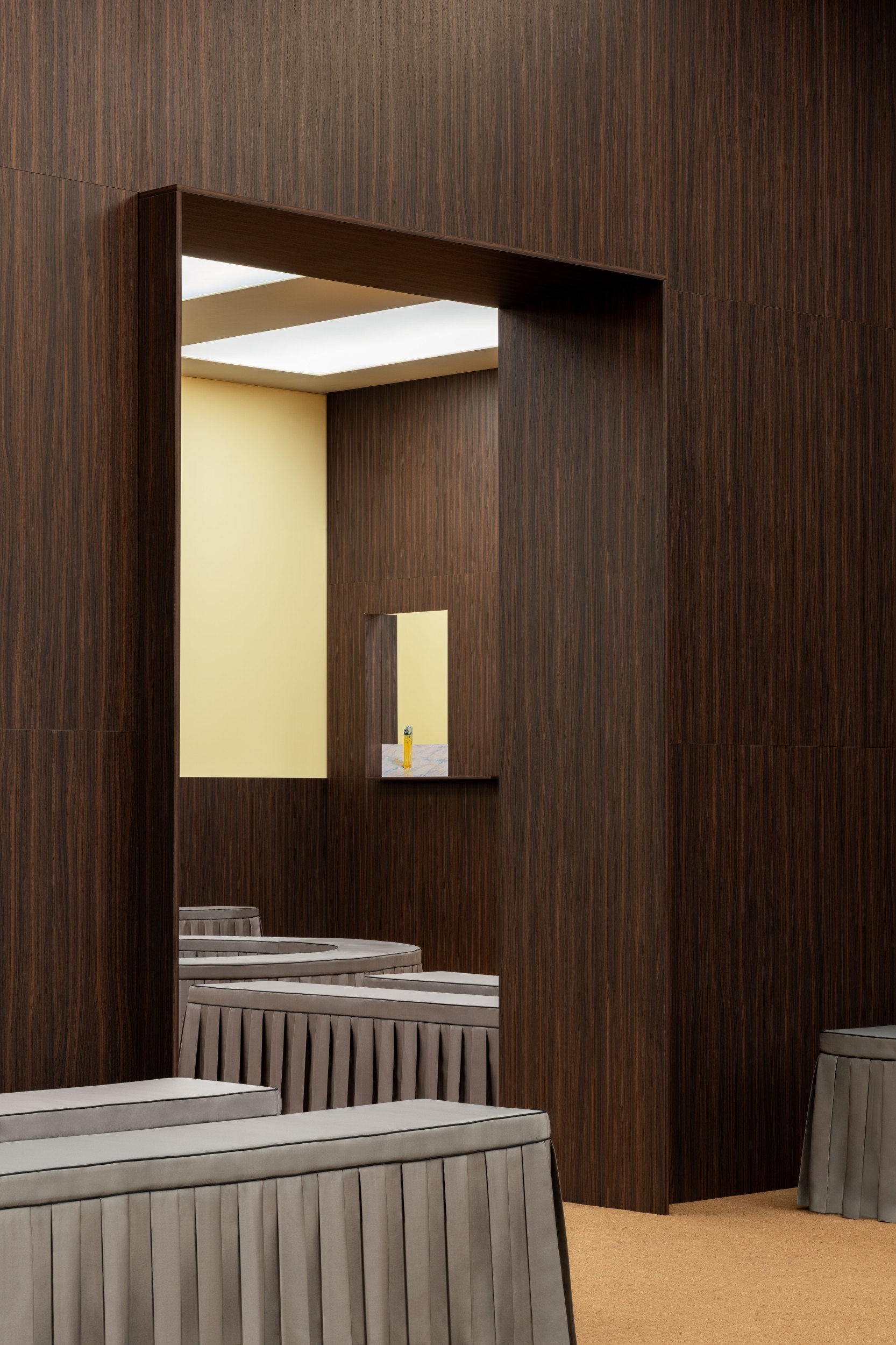
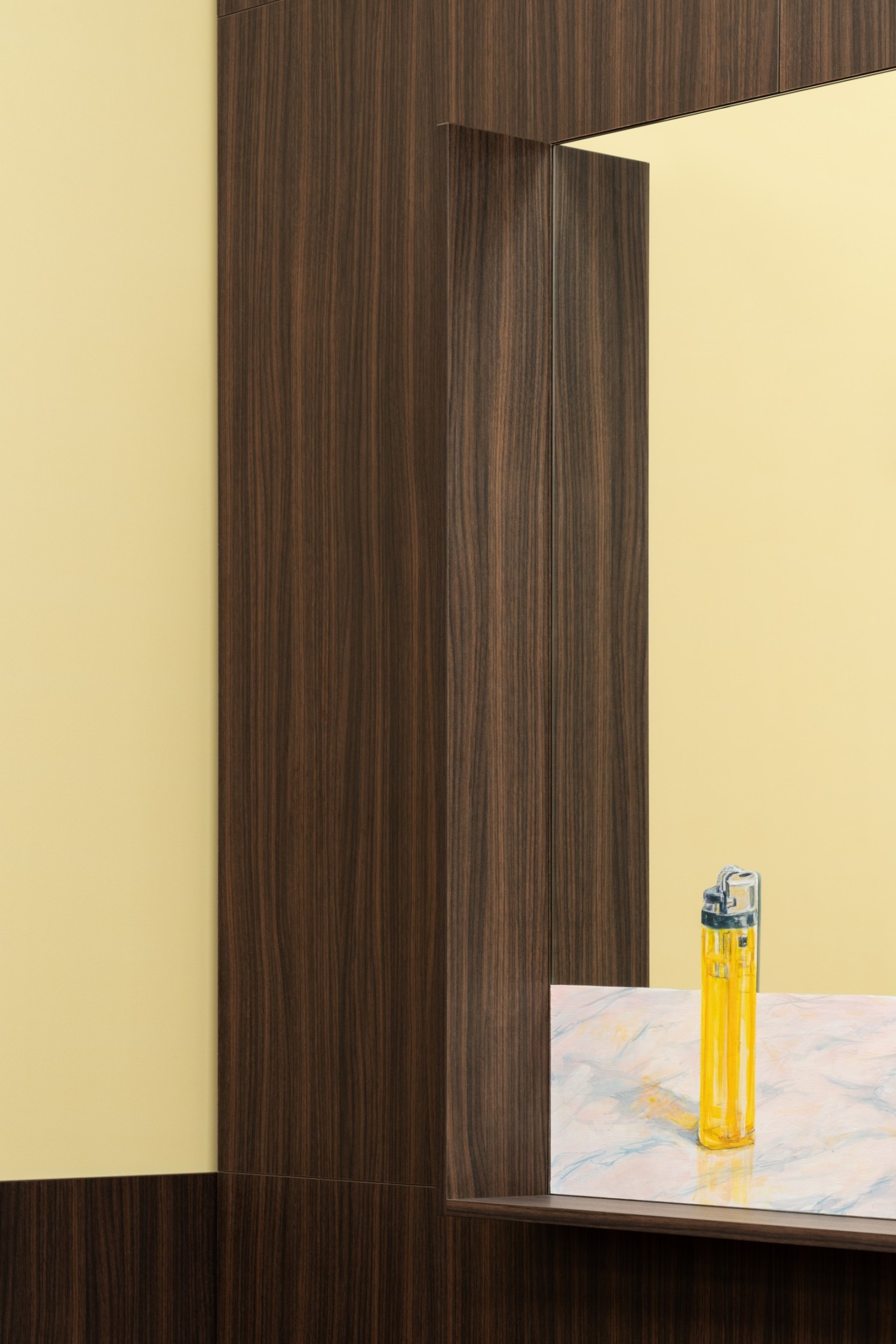
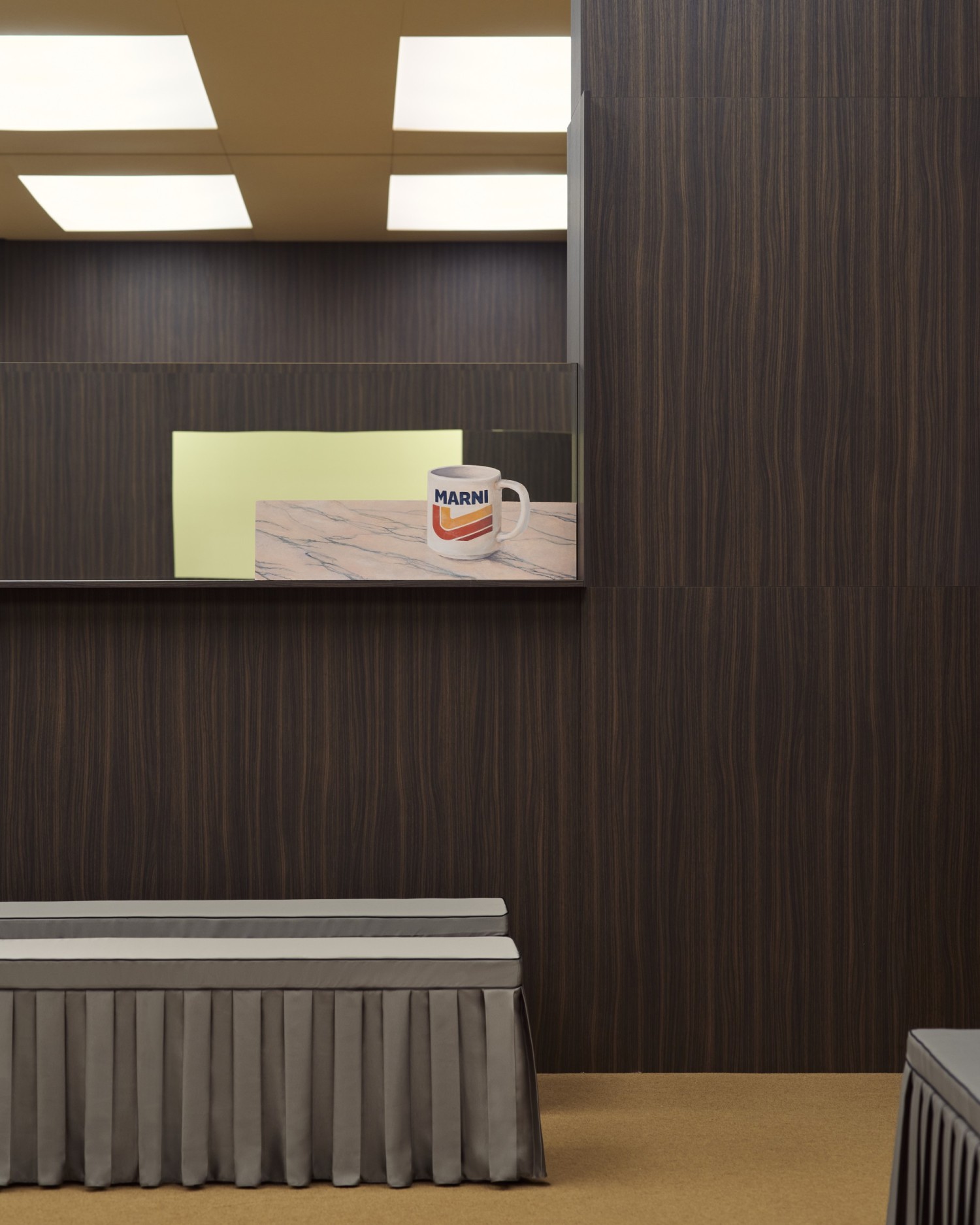
The composition is structured around a series of mirrors, partially painted with scenes of everyday life captured beforehand: a car door, an office chair, leftovers on a table, a surveillance camera, a computer window… Far from striking images, these representations are instead sustained long enough to be truly seen. This series, hand-painted by Matilde Mosterts de Banfield, aims to celebrate these banal details of daily life, often overlooked. Yet it goes further: the intuitive gesture of drawing invites us to pay attention, to slow down, revealing the garment beyond the immediacy of its presentation. It points to its life beyond the catwalk, reminding us that clothing gains meaning over time, within the rhythms of our daily routines.
Within this scenography, the garment is approached through a different lens. It is no longer perceived as a detached or isolated piece reduced to spectacle; instead, it is directly connected to its external reality. Following this logic, the paintings and mirrors function simultaneously as images and spatial instruments, reflecting and grounding garments, models, and audience within a field where representation and presence become indistinguishable.
Blurring these boundaries even further and questioning this idea of threshold, the duo introduces a symbolic utilitarian object: the doormat. Normally meant to remain at the doorstep, here it proudly expands to an XXL scale, covering the entire surface and symbolizing the passage from outside to inside. The domestic and familiar atmosphere is reinforced by the building’s classical interior, from the presence of wood to the nostalgic draped seating. •
photos: Marni FW26 show space, Formafantasma, Milano, Italy, 2026 • © Marco Cappelletti • Previous pages: Marni FW26 show space, Formafantasma • © Gregorio Gonella