Inspiration through material
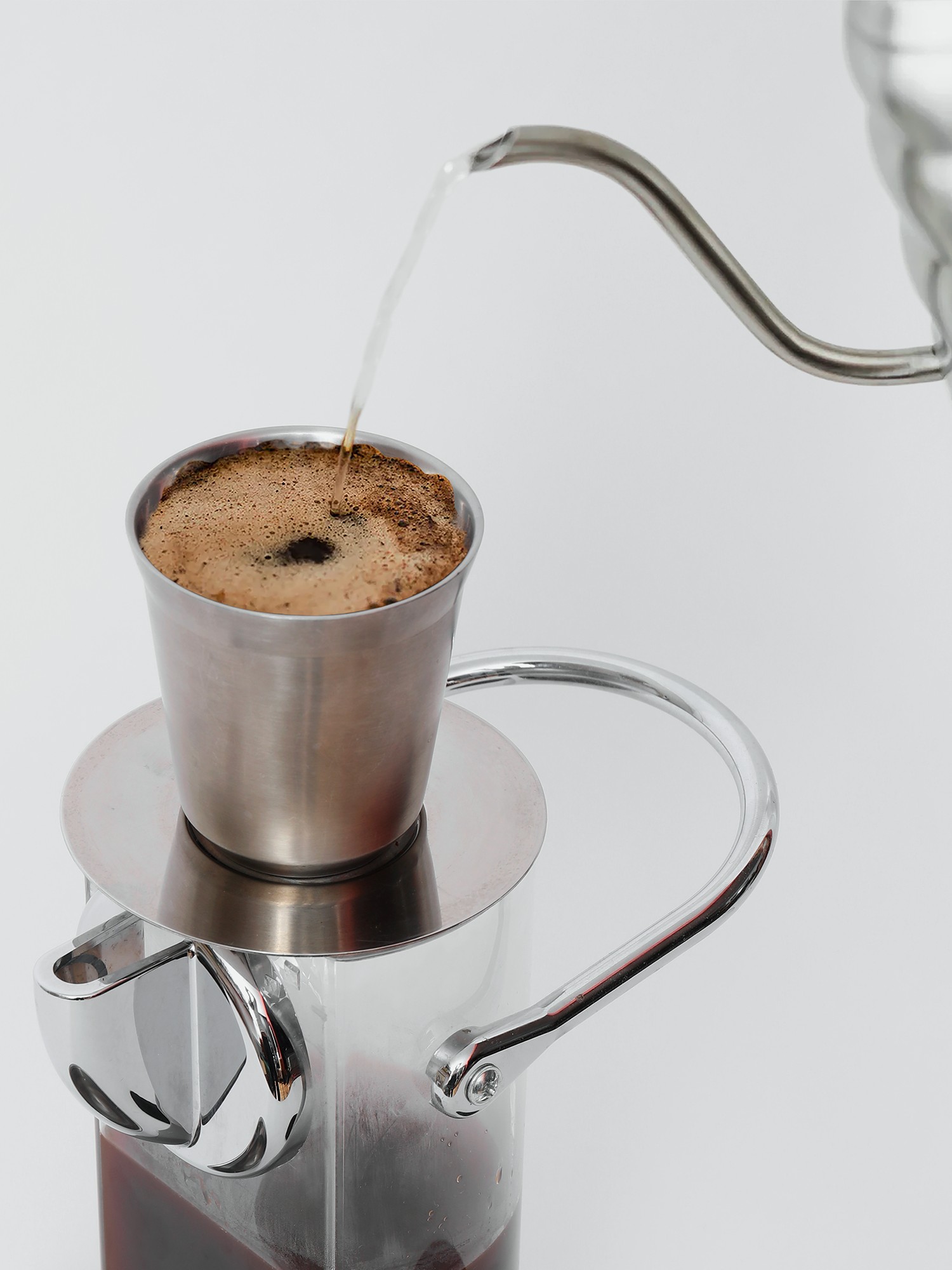
Coffee maker made from recycled Nespresso parts, Jean-Sébastien Blanc • © Jean-Sébastien Blanc
For more than twenty years, Jean-Sébastien Blanc has been creating objects. Through his studio—as co-founder of Studio 5.5, an agency renowned for its art direction and spatial design—and through a more personal, almost dissident practice in which the object becomes a manifesto. At a time when a “good designer” was expected to create products that sold, he now advocates the opposite idea: becoming a designer who helps us consume less.
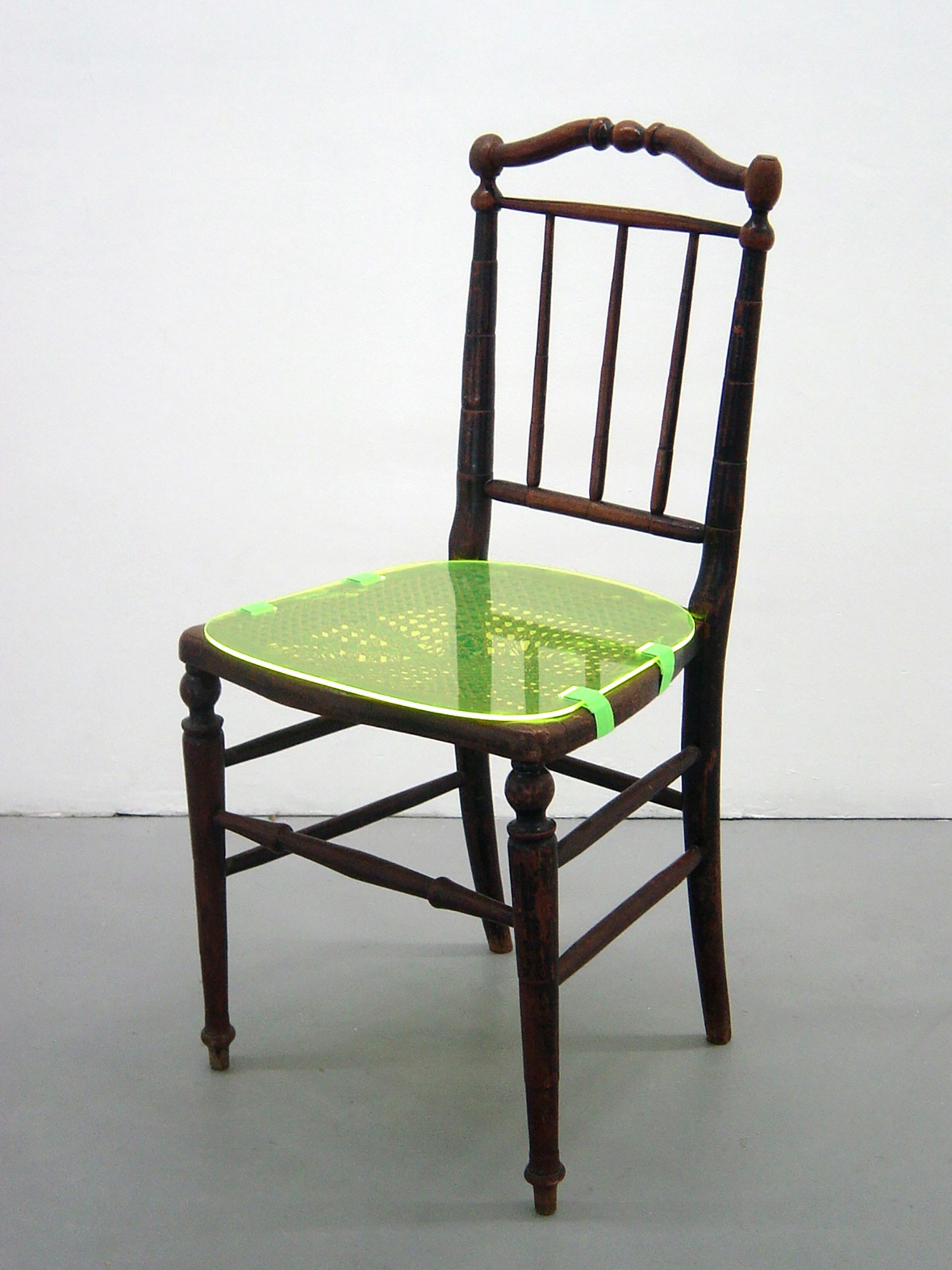
It all began with Réanim, the “medicine of objects”, his graduation project in the early 2000s. In contrast to the sleek minimalism dominating design at the time, Jean-Sébastien Blanc and his collaborators set up makeshift “hospitals” for broken furniture. Broken chair legs, collapsed seats: they developed crutches, prosthetics, and stitching kits—often highlighted in a surgical neon green that became their signature. Repair became both an aesthetic and a political gesture. Twenty-five years later, the intuition seems almost obvious. At the time, however, it appeared anomalous. The object was no longer a product to replace but a patient to care for. Already, the designer was redefining his role: rather than feeding the cycle of novelty, he sought to slow the logic of obsolescence. This tension has continued to shape his trajectory. Within Studio 5.5, Jean-Sébastien Blanc collaborates with major companies—from household appliances to capsule coffee—while simultaneously developing manifesto-like projects. Among them is La cuisine d’objets (2009), a series of open “recipes” inviting anyone to build their own lamps or seating using existing elements. A precursor to today’s DIY culture, the project is now held in public collections—proof that critical design can also become heritage.
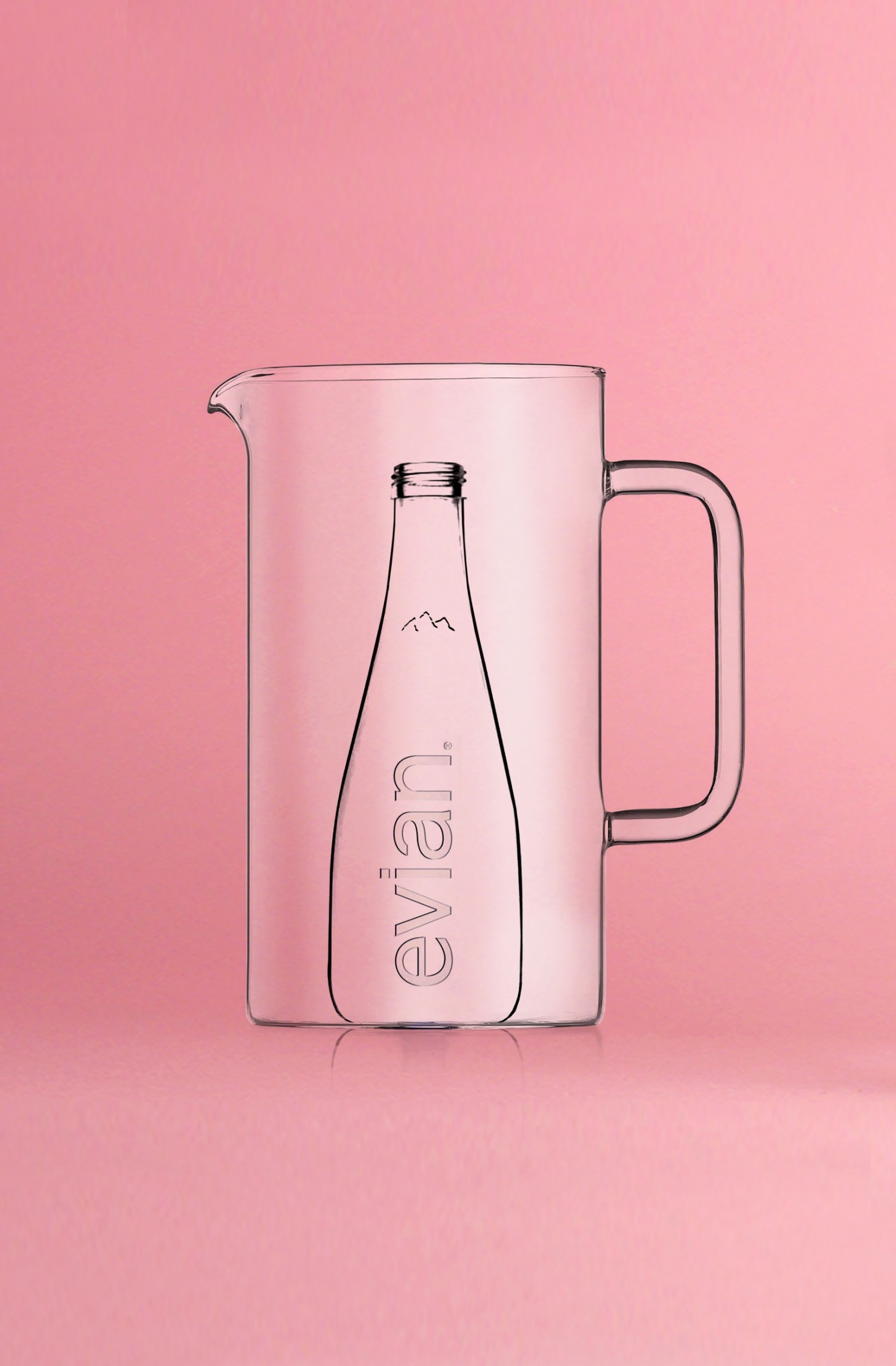
In recent years, Jean-Sébastien Blanc has chosen to separate his practices more clearly. On one side, commissioned projects. On the other, a program of OPs—marketing operations—which will culminate in an exhibition designed as an imaginary supermarket entirely dedicated to CSR (Corporate Social Respons- ibility). The principle is simple: take the codes of major brands—their carefully calibrated teasers, flawless visuals, and seasonal promises—and propose an entirely new kind of product: radical alternatives. For Apple, he imagines iJob, a desk lamp composed of reused components from obsolete computers. With its perfectly crafted storytelling and sleek visuals, the object blends seamlessly into the brand’s ecosystem. For Evian, he proposes a year-end carafe encouraging people to drink tap water: a glass bottle inserted into a carafe, symbolizing the transition between the myth of the natural spring and domestic reality. The project generated two million views on social media, sparking debates about water quality and health concerns. The object becomes a catalyst for discussion.
For IKEA, he designs Gratïs, “the most ecological and cheapest chair in the world”: a squatting posture requiring no material at all, simply illustrated in the graphic style of the Swedish giant. The most ecological waste, he argues, is the one that is never produced. For Tefal, he imagines a stainless-steel frying pan—PFAS-free—responding to controversies surrounding non-stick coatings. For Nespresso, a coffee machine without capsules, assembled from reused components and reintroducing the traditional filter. For Kinder, an egg without a toy—freed from its plastic gadget. Each time, the images circulate widely. Comments multiply. Some people are enthusiastic, others puzzled: Where can we buy it? Does the product really exist? Will it be produced at scale or as a limited edition? Jean-Sébastien Blanc places brands before a credible possibility—one that is desirable and economically viable.
Some might call it trolling. Blanc prefers the term “beau sens”—literally “beautiful common sense.” Objects that transform our habits rather than stimulate impulse buying. Humor plays a central role. Like the Japanese concept of chindōgu, which he explored during an exhibition in Saint-Étienne, absurdity reveals the blind spots of the system. A single potato chip sold in an oversized box. A Black Friday mirror whose reflective surface gradually disappears beneath discount stickers as the price drops: the cheaper the object becomes, the less it works. The humor is never gratuitous. Instead, it highlights the contradictions of a growth-obsessed model in which CSR too often becomes little more than a communication strategy. Jean-Sébastien Blanc knows these mechanisms intimately—he worked within them for two decades. Today, he uses them to encourage reflection among consumers. In doing so, he shifts the designer’s role—from market seducer to revealer of possibilities. •
Photos: Coffee maker made from recycled Nespresso parts, Jean-Sébastien Blanc • Reanim iJob • Apple x Jean-Sébastien Blanc • 2-litre Evian water jug and 33cl bottle of Evian • BlancGratïs Chair • © Jean-Sébastien Blanc